
You're exhausted. But you can't sleep.
You're stressed. But you can't relax.
You've tried the apps, the melatonin, the meditation, the magnesium. Maybe they help a little. But nothing quite gets to the root of it — that constant underlying hum of a nervous system that simply won't switch off.
Here's the thing: the problem isn't your habits. The problem is your nervous system. And the solution isn't trying harder at relaxation. It's giving your nervous system the physiological input it actually needs to downshift.
Why You Can't Switch Off
Your autonomic nervous system has two modes: sympathetic (fight or flight) and parasympathetic (rest and digest). In a healthy nervous system, these modes balance each other — stress activates the sympathetic, then the parasympathetic brings you back down.
Most modern people are chronically locked in sympathetic mode. The result is a nervous system that's forgotten how to truly rest — even when you're lying in bed, even when you're trying to meditate, even when you tell yourself to relax.
Chronic sympathetic activation keeps cortisol elevated around the clock. Cortisol suppresses melatonin production, raises heart rate, and keeps the brain in alert mode — making deep sleep physiologically impossible regardless of how tired you feel. This is the cycle most people are trapped in.
Float Therapy: The Fastest Parasympathetic Reset Available
Float therapy produces the single most significant cortisol reduction of any non-pharmacological intervention studied. Research from the Float Research Collective shows that a single float session produces significant reductions in cortisol and ACTH, measurable decreases in anxiety on standardized clinical scales, improved mood that persists for days, and significant improvements in sleep quality the night following a float.
No other therapeutic environment produces a parasympathetic response as reliably and as profoundly as a float tank. When you eliminate gravity, sound, light, and temperature differential simultaneously, your brain has no choice but to downshift into theta — the deeply relaxed state between waking and sleep.
Sauna: Heat as a Therapeutic Tool for Sleep
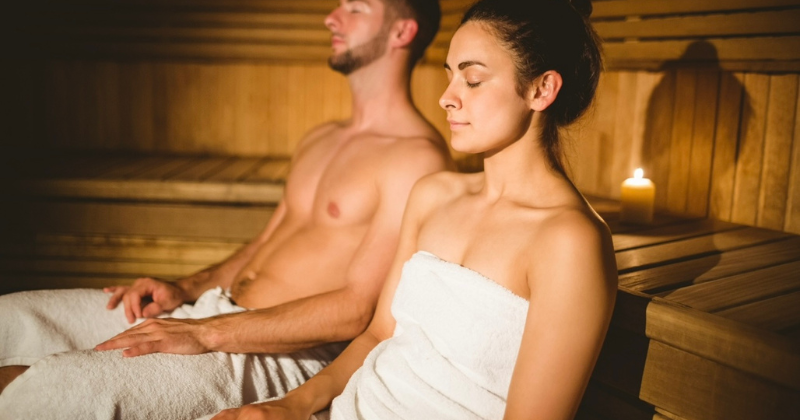
Here's something counterintuitive: getting very hot before bed helps you sleep better. Your body needs to drop its core temperature to initiate and maintain deep sleep. The natural cooling that follows a sauna session mimics and amplifies this process — triggering the same physiological signal that normally only happens hours into sleep.
Studies show that sauna use in the late afternoon or evening produces significant improvements in slow-wave sleep (the deepest, most restorative stage) and reduces nighttime awakenings. Regular sauna users also show lower baseline cortisol levels — meaning their sympathetic system is less chronically activated to begin with.
Red Light: The Circadian Reset
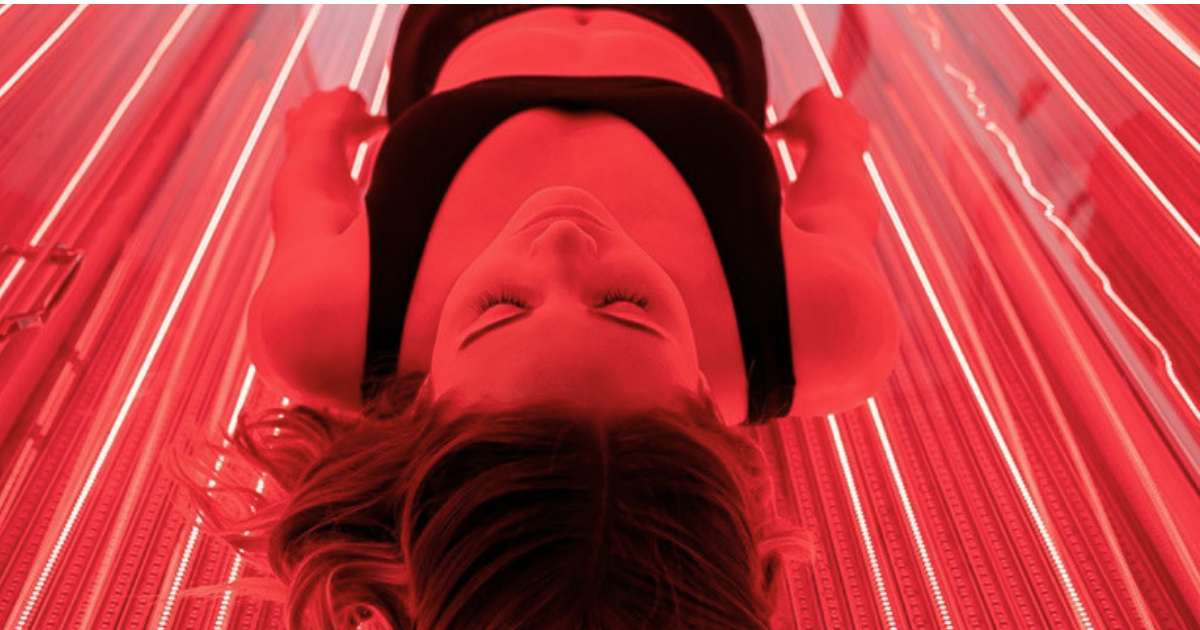
One underappreciated cause of sleep disruption is circadian rhythm dysregulation — your internal clock is out of sync with the actual day-night cycle. Red light therapy in the morning or early afternoon has been shown to support circadian rhythm entrainment, helping your body know what time it is and when to prepare for sleep.
Some research also suggests red light therapy may directly reduce the neurological inflammation associated with anxiety and depression — addressing the root cause rather than just the symptoms.
The Protocol for Stress, Anxiety, and Sleep
For acute stress relief and same-night sleep improvement: Float in the afternoon or evening → Sauna → Sleep.
For longer-term nervous system regulation: Red light therapy 3x weekly (morning/early afternoon) + Float 1–2x weekly + Sauna 3–5x weekly over 4–6 weeks.
For anxiety specifically: Float therapy 2–4x per month produces measurable, sustained anxiety reduction in most people. Within 3–4 sessions, many of our members report benefits arriving faster and lasting longer as their nervous systems become more familiar with the parasympathetic state.
You're not broken. You're overstimulated.
Lost in Float gives your nervous system what it's been starving for. Starting at $69/month.
Book a float session → See membershipsThe Bottom Line
If you're stressed, anxious, and exhausted, you don't need to try harder at relaxation. You need an environment that makes relaxation physiologically inevitable. That's what we've built at Lost in Float in Lincoln NE.
Lost in Float | 8244 Northern Lights Dr, Lincoln NE | 531.289.7739 | Open Tuesday–Sunday 9am–9pm