Most people book a float session based on one thing: price.
That makes sense. Float therapy is still new enough in Lincoln NE that most people don't know what to look for — or that there's even anything to look for beyond "does it exist here?"
But the details matter enormously. The difference between a mediocre float and a transcendent one isn't the float tank itself — it's everything surrounding it. The room. The water chemistry. The temperature. The silence. The preparation. The care.
Here's what actually separates a world-class float experience from a passable one — and why we've obsessed over every single one of these details since we opened in 2017.
The Room Within a Room
True sensory deprivation requires genuine silence. Not "pretty quiet." Silence.
Most float facilities drop a tank into a standard room and call it done. The result is a float experience constantly interrupted by the hum of HVAC systems, footsteps from adjoining rooms, muffled conversations, street noise, and every other sound that a standard wall does nothing to stop.
Your auditory cortex processes sound even when you're trying to relax. Background noise — even noise you consciously stop noticing — keeps a portion of your nervous system on alert. True silence isn't just more pleasant. It's physiologically necessary for the deepest theta states float therapy produces.
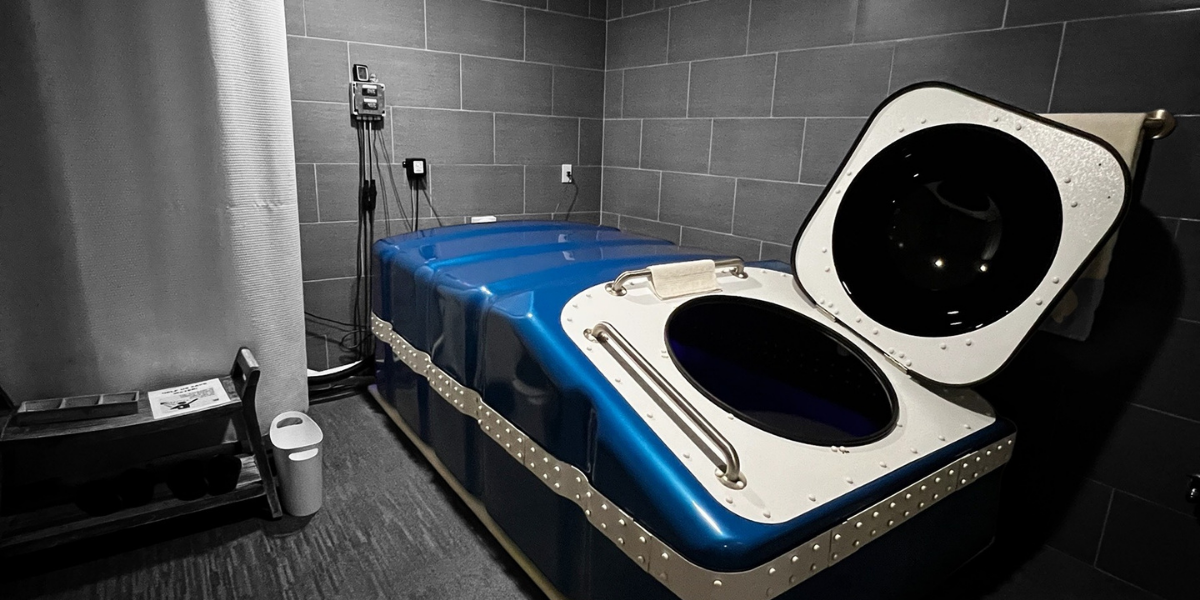
At Lost in Float, our float suites are built as rooms within rooms — purpose-constructed acoustic enclosures that isolate each suite from the building around it. The sound doesn't just get muffled. It gets stopped. When you close that door, the silence isn't comfortable. It's absolute. That's when the real work begins.
Water Chemistry — The Part Nobody Talks About
The float tank contains 1,300 pounds of pharmaceutical-grade Epsom salt dissolved in precisely measured water. Maintaining that solution isn't passive. It's active, ongoing, and technically demanding.
Float tank water chemistry involves managing:
Salt concentration. Too low and buoyancy decreases — you have to work to stay afloat, which defeats the purpose entirely. Too high creates skin irritation and discomfort. The concentration must stay within a precise range, every single session.
Sanitization. We use a three-part sanitation process between every float session — not daily, between every single session. Because we don't use chlorine, we don't have the pH instability that chlorine-based systems create. The result is water that is gentler on skin and eyes, and almost certainly the cleanest water you will encounter anywhere. The extremely high salt concentration is itself naturally inhospitable to bacteria — but we don't rely on that alone. Our three-part process ensures the water is pristine for every floater, every time.
This is not set-and-forget maintenance. It requires trained staff, consistent protocols, and a genuine commitment to standards. We've been doing this since 2017. We know our tanks the way a master baker knows their oven.
Temperature and Humidity — The Invisible Variables
Here's something most float centers never mention: the ambient conditions outside the tank matter just as much as what's inside it.
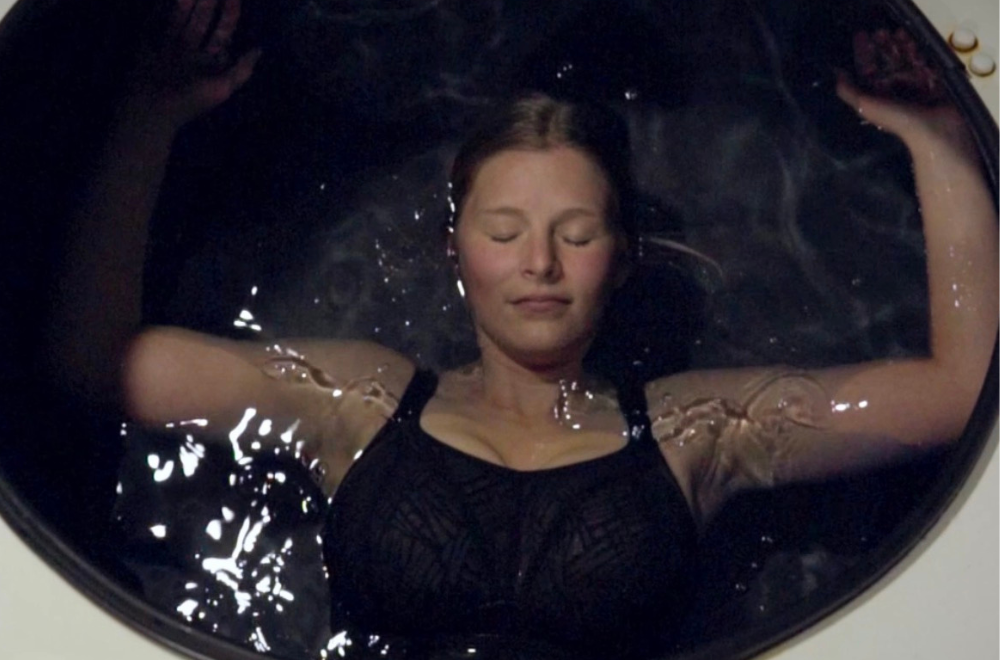
Float water is kept at skin temperature — approximately 93.5°F — so your brain stops registering the boundary between your body and the water. But if the air in the room is too cold, you'll feel the difference the moment your skin breaks the surface. If the humidity is too low, evaporation on exposed skin creates a cooling sensation that keeps pulling you back to physical awareness. If the room is too warm, you won't feel weightless — you'll feel like you're lying in a hot bath.
At Lost in Float, we actively monitor and adjust the temperature and humidity in each float suite based on what's happening outside — accounting for Nebraska's dramatic seasonal swings between January's brutal cold and July's oppressive humidity. Our target isn't a fixed number. It's the specific combination of air temperature, water temperature, and humidity that makes the water disappear — that makes your skin stop feeling where it ends and the water begins. The room conditions don't just support the float. They're what makes the float possible.
"The goal isn't to make the room comfortable. It's to make the water disappear — and everything outside the tank is what makes that possible."
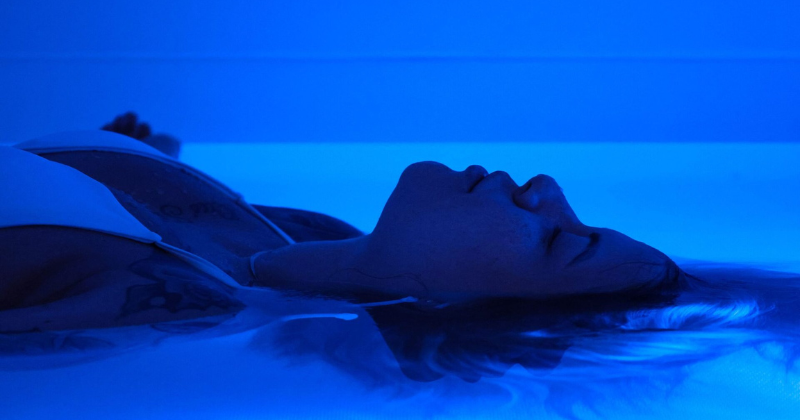
When we get it right — and we get it right every session — the water disappears. You stop noticing it entirely. You stop feeling where your skin ends and the solution begins. That's the state where float therapy actually works.
The Suite Itself — Private, Complete, and Thoughtfully Designed
Float therapy requires vulnerability. You're undressed, alone, in the dark, suspended in salt water. The environment surrounding that experience needs to make you feel completely safe, completely private, and completely cared for.
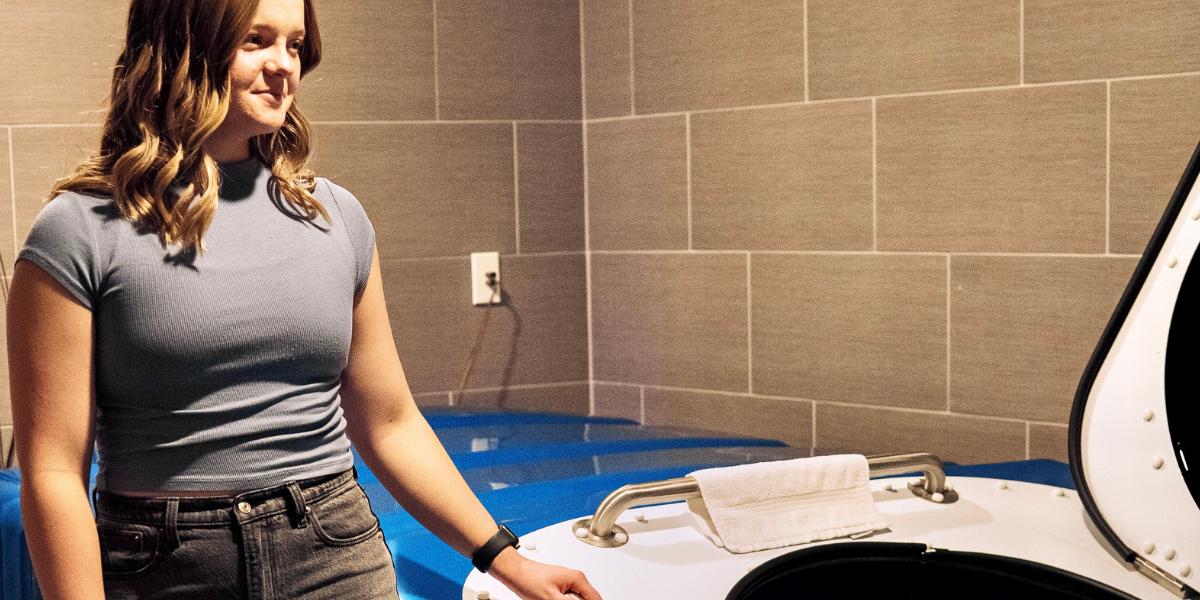
Each of our float suites includes a private shower for before and after your session, fresh towels and a robe, earplugs, ear wash solution, Vaseline for any minor skin sensitivities, a neck pillow if you want it, and everything else you need — so your only job is to show up and float.
The suites are cleaned meticulously between every session — not just the tank, but the shower, the floor, every surface. We treat every session like the first session the suite has ever hosted. Our customers mention our cleanliness in their reviews without being asked. That's not an accident.
The Experience Versus the Amenity
There's a meaningful difference between a facility that offers float therapy and a facility that is built around float therapy.
When float is one of 90 amenities in a wellness club, it gets the attention of one of 90 amenities. The tank gets standard maintenance. The room gets standard construction. The experience is fine.
When float therapy is at the core of your identity — as it has been at Lost in Float since the day we opened in 2017 — every decision gets made through that lens. The room construction. The water chemistry protocols. The humidity monitoring. The suite design. The staff training. The cleaning standards.
We've spent years perfecting a single thing. And it shows.
Experience the difference yourself
Lincoln NE's most meticulously crafted float experience. Private suites. From $75.
Book your float → See membershipsThe Bottom Line
When you're choosing where to float in Lincoln NE, ask these questions. Is the room acoustically isolated, or just a regular room with a tank in it? Is the water chemistry actively managed between every session? Is the humidity and temperature tuned for the conditions outside, or set once and left? Is the suite completely private with everything you need, or is it a shared space?
At Lost in Float, the answers are yes, yes, yes, and yes. They've been yes since 2017. And that's why the people who float here keep coming back.
Lost in Float | 8244 Northern Lights Dr, Lincoln NE | 531.289.7739 | Open Tuesday–Sunday 9am–9pm