Tonal + Sauna + Cold Plunge + Red Light:
The Fat Loss Stack That Changes Your Body
Nothing in this stack "melts" fat. That's actually the good news. Here's what each piece really does, the order that matters, and the weekly protocol we'd hand a friend who wants to look and feel different in 12 weeks.
Let's start with the thing most wellness blogs won't tell you: you can't sweat, freeze, or glow your way out of body fat. Sauna doesn't melt it. Cold plunge doesn't torch it. Red light doesn't zap it off your thighs.
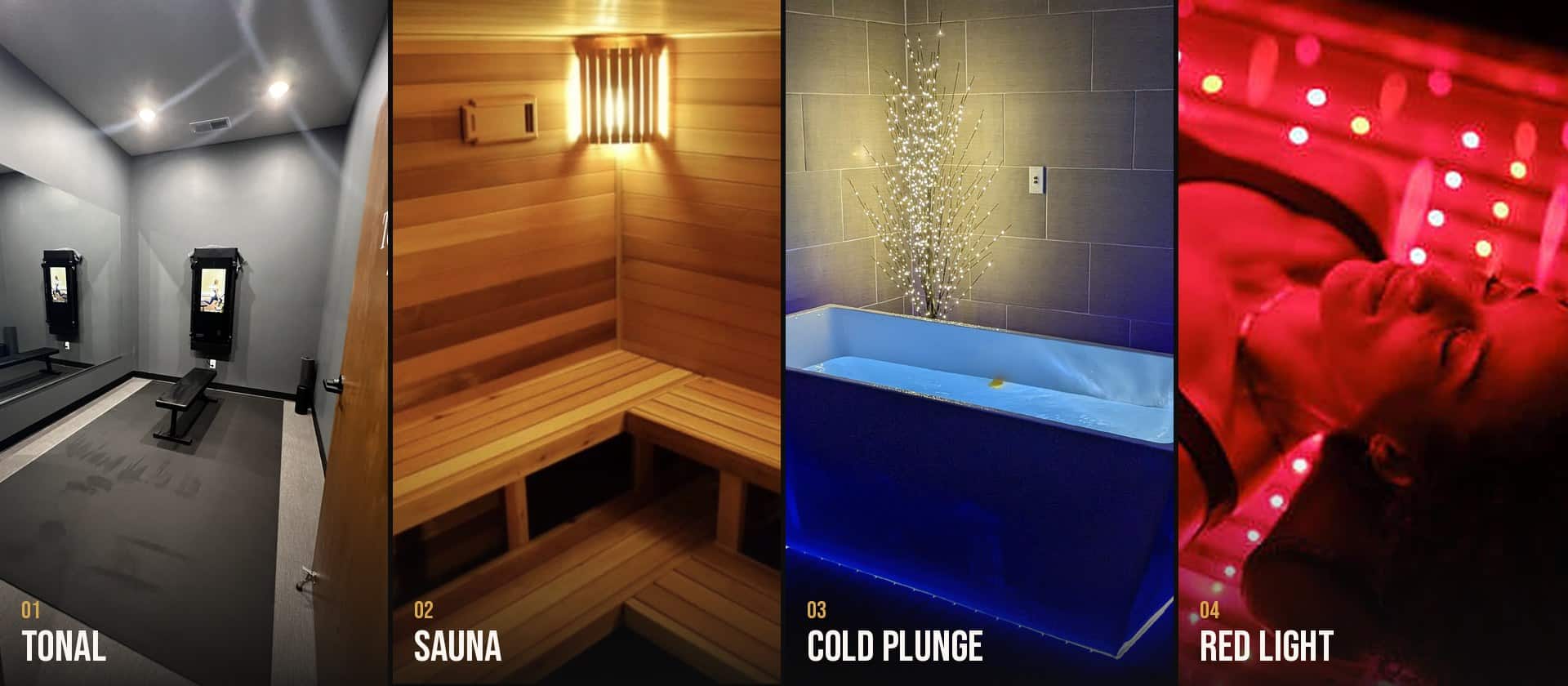
So why write a whole guide called "The Fat Loss Stack"? Because when you put these four things together in the right order, around the right foundation, something genuinely useful happens. Strength training does the heavy lifting (literally). Everything else makes that training easier to recover from, easier to stick with, and a lot more fun to show up for. And showing up, week after week, is the whole game.
This is the guide we promised in New to Tonal? — the full protocol for anyone in Lincoln who wants to lose fat, keep (or build) muscle, and actually feel the difference. No crash diets. No "detox." Just the stack, stacked properly.
If you read nothing else: Lift 3x a week on Tonal. Protect your sleep. Eat enough protein. Use sauna, cold plunge and red light to recover faster and stay consistent — and keep cold away from the end of your lifting sessions. That's the stack.
Fat Loss vs. Body Composition (and Why the Scale Lies)
"I want to lose weight" usually means "I want to lose fat and look and feel stronger." Those aren't the same thing — and the difference decides your entire approach.
When people diet without strength training, a meaningful chunk of what they lose can be muscle, not fat. That's the opposite of what most of us want: less muscle means less strength, a slightly lower resting metabolism, and a body that looks smaller but not necessarily leaner. Research on weight loss consistently finds that resistance training during a calorie deficit helps preserve lean mass, so more of what comes off is actually fat.
That's what body recomposition means: losing fat while holding onto (or adding) muscle. And here's the part that trips people up — during recomposition, the scale can barely move while your body visibly changes. Your jeans fit differently. Your waist shrinks. Your Tonal Strength Score climbs. The scale shrugs.
"If the scale is stuck but your waist is shrinking and your lifts are climbing, you're not failing. You're recomposing. That's the good kind of change — the kind that lasts."
How to read the evidence in this guide
We tag every claim with one of three evidence tiers, because you deserve to know the difference between "decades of solid research" and "interesting early studies" and "the internet got excited."
Consistent findings across many well-designed studies. Build your plan around these.
Promising research, often smaller studies. Worth doing, but don't expect miracles.
Popular claims that outrun the evidence. We'll tell you when you're looking at one.
The Stack, Piece by Piece
Four tools, four very different jobs. Here's what each one actually brings to a body composition goal — and what it doesn't.
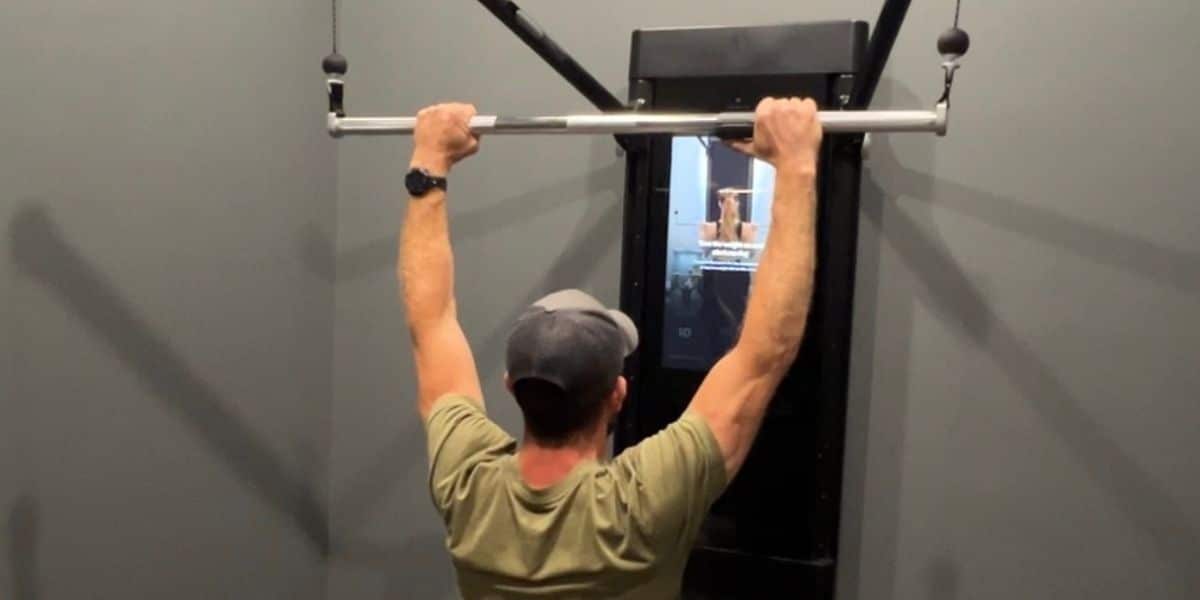
If the stack were a band, Tonal is the lead singer. Resistance training is the single most important piece of any body composition plan because it's the signal that tells your body "keep this muscle — we're using it." Without that signal, a calorie deficit happily takes muscle along with fat.
Tonal makes that signal easy to send consistently. It runs a strength assessment, then adjusts resistance rep by rep so you're always working at the right load. Spotter mode has your back at the end of a hard set. And the Strength Score gives you an objective number to watch climb — which matters a lot when the scale is being moody.
A quick reality check on the "muscle burns calories" line you've heard a hundred times: it's true, but modest. A pound of muscle burns roughly 6 calories a day at rest versus about 2 for a pound of fat. The bigger wins are what muscle does for strength, blood sugar regulation, and how your body looks and moves as fat comes off.
Our traditional sauna runs at 195°F. You will sweat. You may even step on a scale afterward and see a lower number. That's water, and it comes right back the next time you drink a glass of it. Sauna isn't a fat-loss tool in any direct sense.
So why is it in the stack? Three reasons. First, large Finnish population studies associate regular sauna use with better long-term cardiovascular outcomes — your heart rate climbs in a way that resembles light-to-moderate exercise. Second, a lot of people find post-workout sauna genuinely relaxing, and many report sleeping better on sauna days (sleep matters enormously for fat loss — more on that below). Third, and honestly the most underrated: it makes the whole routine something you look forward to. A plan you enjoy beats a perfect plan you quit in week three.
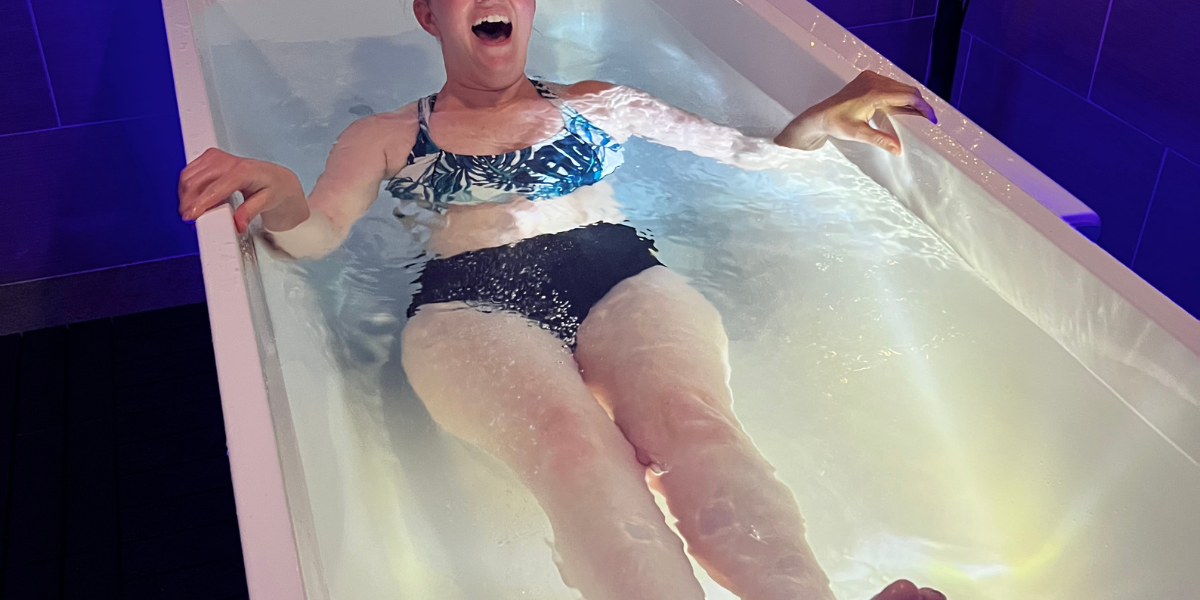
Cold exposure is where fat loss gets genuinely interesting — and genuinely overhyped. Your body has a type of fat called brown adipose tissue whose job is to burn energy to make heat. Cold activates it. Studies show regular cold exposure can increase brown fat activity and cold-induced calorie burn.
One study we love: researchers in Copenhagen looked at experienced winter swimmers who did roughly 11 minutes of cold water and about 57 minutes of sauna per week, spread across a few sessions. Compared with controls, they showed greater cold-induced thermogenesis. It's a small study in young men, but it gave the wellness world a memorable weekly target — and it happens to map perfectly onto a Fire & Ice routine.
The catch: the extra calories from cold are modest. Cold plunging is a nice supporting player, not a substitute for lifting and eating well. And there's one rule that matters a lot for this stack...
Don't cold plunge right after you lift. Research on cold-water immersion after strength training found it blunted muscle-building signals and long-term gains in muscle mass and strength. Cold is great — just not in the window right after Tonal, when your muscles are trying to adapt. On lifting days, cold goes first or on a separate visit.
Red and near-infrared light (photobiomodulation) is studied mostly for muscle performance and recovery. Reviews of the research suggest light applied around exercise may support performance and reduce markers of muscle damage and soreness. For a fat-loss stack, that's the useful part: less soreness means you're more likely to show up for your next Tonal session.
You may have seen red light marketed for "body contouring." There's some research on inch loss from specific laser devices, but the effects are modest and debated, and we'd rather be straight with you than sell you a waistline in 15 minutes.
What we can tell you is exactly what you're lying on. Our red light bed covers 10 wavelengths from 415 to 980nm and was independently tested by LightLab International across 15 points on the bed surface, averaging 36.84 mW/cm² — right inside the 20–40 mW/cm² range commonly used in research. Most places can't show you that number.
Bonus: Float (the stress-and-sleep piece nobody talks about)
Stress and poor sleep are fat loss saboteurs. They drive cravings, make workouts feel harder, and tank recovery. Early research suggests floatation-REST may support relaxation and reduce feelings of stress and anxiety. It's not a fat-loss tool — it's a "make the rest of your life calmer so the plan actually works" tool. A float every week or two, ideally in the evening, is the cherry on top of the stack. Emerging
The Order Matters: Your Lifting-Day Stack
Same four tools, different order, very different result. This is the sequence we use and recommend at Lost in Float on a Tonal day:
Short on time? Tonal + sauna is the minimum effective stack — about an hour, and both are included with every membership. Add red light and cold plunge when your schedule (and your credits) allow.
Your Weekly Fat Loss Protocol
Here's a realistic week for someone who wants to change their body composition without living at the gym. Rearrange days to fit your life — the ratios matter more than the calendar.
Tonal is open. Your stack is waiting.
Private Tonal suite and daily traditional sauna included with every membership — plus 50% off every additional full-price service, no contracts. 8244 Northern Lights Dr, Lincoln NE.
Book a session → See membershipsThe Foundations No Stack Can Replace
Real talk from a pharmacist: the stack is the fun part, but these three things are the foundation it sits on. Skip them and no amount of sauna will save you. Nail them and everything else works better.
Fat Loss Myths, Busted
Your Scoreboard: How to Track Real Progress
If the bathroom scale is your only measure, recomposition will drive you nuts. Track these instead — and give it 8–12 weeks before you judge.
- Tonal Strength Score: Updates every session. Usually the first thing to move, often within 2–4 weeks.
- Waist measurement: Same spot (at the belly button), same time of day, every two weeks. One of the most useful at-home body composition signals.
- Progress photos: Monthly, same lighting, same clothes. You'll see changes in photos you'd never notice in the mirror.
- How clothes fit: Pick one "honest" pair of jeans.
- Scale (optional): If you weigh, use a weekly average, not daily numbers. Water, salt and hormones swing it several pounds day to day.
- Energy, sleep and mood: Often the first things people notice — and the reason they keep going.
Frequently Asked Questions
Studies Referenced
- Cava E, Yeat NC, Mittendorfer B. (2017). Preserving healthy muscle during weight loss. Advances in Nutrition, 8(3), 511–519.
- Willis LH, et al. (2012). Effects of aerobic and/or resistance training on body mass and fat mass in overweight or obese adults. Journal of Applied Physiology, 113(12), 1831–1837.
- Morton RW, et al. (2018). A systematic review, meta-analysis and meta-regression of the effect of protein supplementation on resistance training-induced gains in muscle mass and strength in healthy adults. British Journal of Sports Medicine, 52(6), 376–384.
- Nedeltcheva AV, et al. (2010). Insufficient sleep undermines dietary efforts to reduce adiposity. Annals of Internal Medicine, 153(7), 435–441.
- Søberg S, et al. (2021). Altered brown fat thermoregulation and enhanced cold-induced thermogenesis in young, healthy, winter-swimming men. Cell Reports Medicine, 2(10), 100408.
- Roberts LA, et al. (2015). Post-exercise cold water immersion attenuates acute anabolic signalling and long-term adaptations in muscle to strength training. Journal of Physiology, 593(18), 4285–4301.
- Laukkanen T, et al. (2015). Association between sauna bathing and fatal cardiovascular and all-cause mortality events. JAMA Internal Medicine, 175(4), 542–548.
- Leppäluoto J, et al. (1986). Endocrine effects of repeated sauna bathing. Acta Physiologica Scandinavica, 128(3), 467–470.
- Leal-Junior ECP, et al. (2015). Effect of phototherapy (low-level laser therapy and light-emitting diode therapy) on exercise performance and markers of exercise recovery: a systematic review with meta-analysis. Lasers in Medical Science, 30(2), 925–939.
- Ferraresi C, Huang YY, Hamblin MR. (2016). Photobiomodulation in human muscle tissue: an advantage in sports performance? Journal of Biophotonics, 9(11–12), 1273–1299.
- LightLab International. Spectral irradiance test report LLIA002809-001 (Lost in Float red light bed).
Not medical advice. This guide is informational and is not intended to diagnose, treat or cure any condition. Talk with your healthcare provider before starting a new exercise, heat or cold routine — especially if you're pregnant, have a heart condition or high blood pressure, or take medications that affect heat tolerance, blood pressure or blood sugar.