Nobody wants to get in cold water.
That's the whole point.
The moment you step into a 45°F cold plunge and your body screams at you to get out — and you stay anyway — something changes. Not just physically. Mentally. You've just done the hardest thing you'll do all day before 10am, and your brain knows it.
But the benefits go far deeper than willpower training. The science behind cold water immersion is some of the most compelling in all of recovery research — and it's why athletes, executives, and everyday people in Lincoln NE are making the cold plunge a non-negotiable part of their week.
What Happens in the First 30 Seconds
When your body hits cold water, several things happen simultaneously:
Vasoconstriction — your blood vessels narrow, pushing blood toward your vital organs. This is your body protecting itself.
Norepinephrine surge — this neurotransmitter (responsible for focus, mood, and energy) spikes dramatically. Research shows norepinephrine can increase by 200-300% during brief cold exposure.
Dopamine increase — a study published in the European Journal of Applied Physiology (Šrámek et al., 2000) found that cold water immersion produces a sustained dopamine increase of up to 250% — lasting hours after the session ends.
"That post-plunge feeling of being electric, alive, and unstoppable? That's not imagination. That's neurobiology."
The Recovery Science
For anyone who trains — whether you're a competitive athlete or just someone who hits the gym regularly — cold water immersion is one of the most evidence-backed recovery tools available.
Reduced muscle soreness. Cold immersion constricts blood vessels and decreases metabolic activity, reducing swelling and tissue breakdown after intense exercise. Multiple studies show significant reductions in DOMS (delayed onset muscle soreness) with regular cold water immersion.
Faster muscle repair. When you exit the cold water, vasodilation floods your muscles with oxygenated blood. This nutrient delivery accelerates the repair process.
Reduced inflammation. Chronic inflammation is linked to almost every major health problem. Cold immersion is one of the most powerful anti-inflammatory interventions available without a prescription.
Improved sleep. Cold exposure in the afternoon or evening has been shown to improve sleep quality by facilitating the natural drop in core body temperature that triggers deep sleep.
45°F — Why Temperature Matters
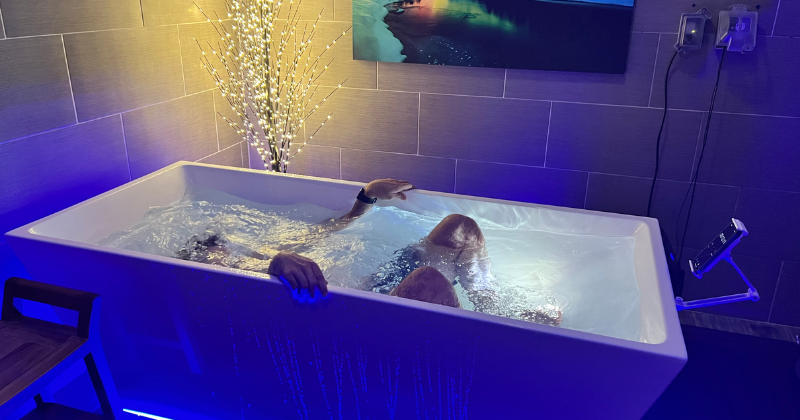
At Lost in Float in Lincoln NE, our cold plunge runs at 45°F. That's colder than most facilities — and the difference is significant.
Cold water immersion research consistently shows that temperatures below 50°F trigger faster and more pronounced norepinephrine and dopamine release. The discomfort is greater. But so are the benefits.
Our plunge sits in a private, 20-minute appointment suite with a shower — so you can recover in comfort after your session.
The Mental Game
Here's what nobody tells you about cold plunging: it's as much a mental practice as a physical one.
When you're in the water and every instinct is telling you to get out, the choice to stay — calm, breathing, present — trains your nervous system to regulate under stress. That regulation transfers to your daily life.
Over time, cold plunge practitioners consistently report greater stress resilience, reduced anxiety, improved ability to stay calm under pressure, and a general sense of being harder to rattle.
Cold shock proteins — particularly RBM3 — activate after cold water immersion. These cellular bodyguards support neuroprotection, synapse regeneration, and cellular resilience. They're one of the most compelling and underreported benefits of consistent cold exposure.
How to Start
First session: 1-2 minutes. Focus on your breathing. Keep it slow and controlled. Don't fight the cold — breathe through it.
After a few sessions: Work toward 3-5 minutes. This is the sweet spot for maximum benefit.
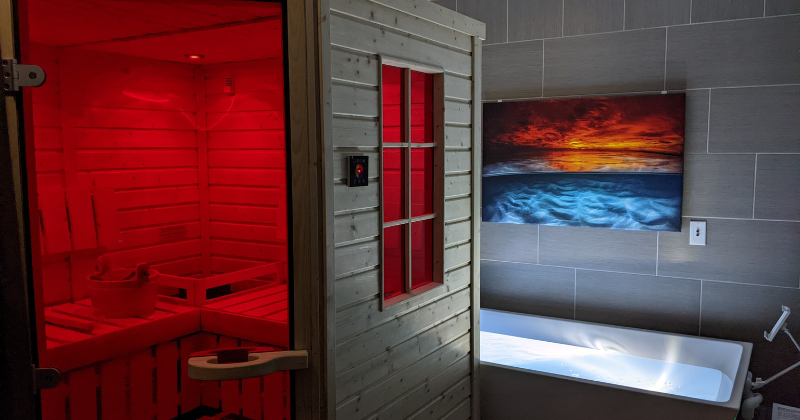
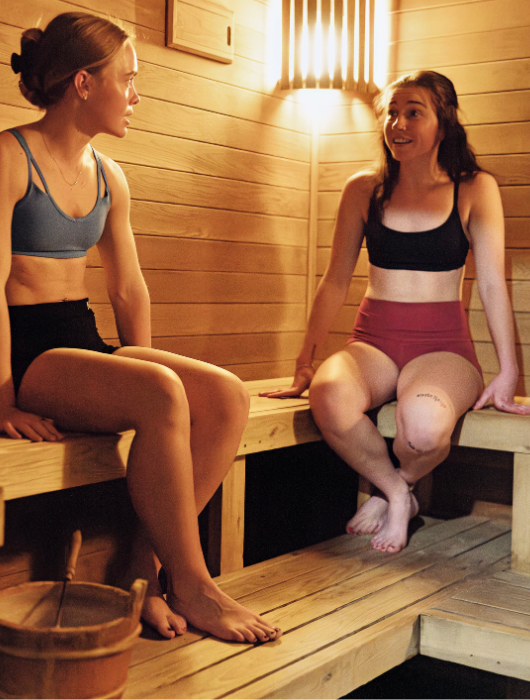
For even greater results: Pair the cold plunge with our sauna in our Fire & Ice suite. Alternating heat and cold — contrast therapy — produces compounding benefits that exceed either modality alone.
Ready to take the plunge?
Private 20-minute sessions at $25. Add a guest for just $12.50 more.
Book your cold plunge → See membershipsThe Bottom Line
Cold plunging is not punishment. It's not a trend. It's one of the most well-researched recovery and performance tools available — and in Lincoln NE, you can access it for $25 in a private suite at Lost in Float.
The hardest part is stepping in. Everything after that is just breathing.
Lost in Float is located at 8244 Northern Lights Dr, Lincoln NE. Open Tuesday–Sunday 9am–9pm. Call or text 531.289.7739.